What Are Ghost Cards? Definition, Benefits & B2B Risks

NezenX Team

A corporate card can be assigned to one employee. But a software subscription, an agency advertising budget, or a central travel account is often used across an entire team.
These shared expenses raise practical questions: who should receive access, which budget should be charged, and how finance should trace each transaction. Corporate card programs address these questions through several card arrangements.
One such arrangement is the ghost card. Because providers do not always use the term consistently, its scope must be clarified before examining how it works, where it adds value, and what risks it introduces.
What Is a Ghost Card?
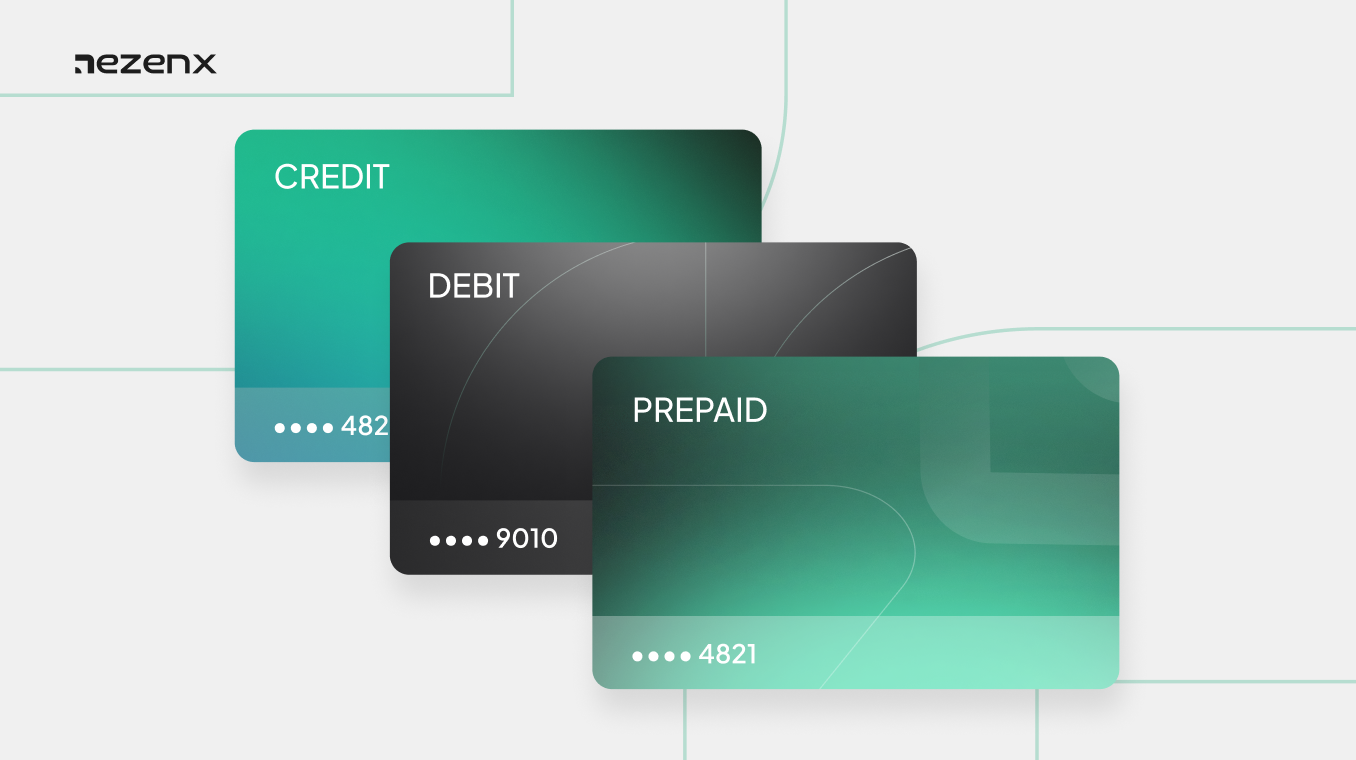
A ghost card is a static, reusable payment card number that operates within commercial card infrastructure and is assigned to a department, a specific vendor, or a defined business purpose rather than a named employee. It is usually issued digitally without a corresponding physical card and managed through the company’s card program for use by authorized employees.
This digital form creates an overlap with virtual cards, so the two terms are sometimes used interchangeably. However, they do not always describe the same scope.
For clarity, this article uses ghost card to mean a card number that is shared and kept active across multiple payments. Virtual card refers to the broader category of digitally issued card numbers, including both single-use and reusable configurations.
How Ghost Cards Work
A ghost card works like a regular commercial card when making a payment. The difference is not the payment process, but who holds the card number and how the company organizes the resulting charges.
Instead of being held by one named employee, the number is shared among authorized employees within a department or kept on file by a designated vendor. Depending on the program, finance can limit where the card is used, set daily or monthly spending limits, and decide who can access the number.
Once a transaction is finalized and posted, it appears on the company’s consolidated card statement. The Accounts Payable team then reconciles it against the department, vendor, or purpose associated with that number.
Key Benefits and Security Risks
Ghost cards offer businesses several advantages, but they also carry risks that should not be overlooked. On the benefits side, they can:
- Limit exposure of the parent account: A separate card number provides some separation from the company’s main account details. If compromised, that number can generally be replaced without changing the parent account.
- Support recurring payments: Because the number remains reusable, a vendor can keep it on file for subscriptions and other regular charges.
- Simplify shared-spend administration: Using one card number for a defined area of spending means fewer cards to manage, less approval paperwork for purchases within that scope, and fewer records to reconcile.
- Reduce reimbursement work: Shared expenses can be paid directly by the company, cutting personal card use and the expense claims Finance must process.
- Remove physical card handling: There is no plastic card to issue, deliver, collect, lose, or get stolen.
On the risk side, ghost cards can:
- Increase the impact of a compromised number: Because the same number is shared and reused, unauthorized payments may continue until it is suspended or replaced. Replacing it may also interrupt legitimate recurring payments.
- Make individual responsibility harder to trace: Transaction records may identify the department or vendor without showing which employee made the payment. Spending controls restrict how the card is used, but they do not necessarily provide user-level accountability.
Smarter Alternatives for Businesses
Ghost cards remain useful when a business needs one stable number for a recurring vendor or shared area of spending. The limitation is not reusability itself, but applying the same shared setup to payments that require tighter security or more detailed accountability.
A broader virtual card program provides greater flexibility across different payment needs. It can offer:
- The recurring and shared-spend benefits of ghost cards, retained through reusable card numbers
- Lower risk of unauthorized reuse for one-off payments through single-use card numbers
- Less disruption from exposed card details by keeping unrelated payments on separate card numbers
- Simpler reconciliation by bringing single-use and reusable card transactions into one consolidated view
Selecting the right card configuration is only one part of business payment operations. Beyond the card itself, the workflow must remain connected from funding through reconciliation. Our app brings every stage into one continuous experience.
Explore our Virtual Cards for a more flexible way to manage business card spending.
* This article is provided for general informational purposes only and does not constitute professional advice of any kind.
We make reasonable efforts to provide complete and accurate information. The content reflects the sources available at the time of publication and may be updated as necessary.
You should conduct your own research or consult an appropriate professional before making decisions based on your specific needs.
By accessing and using this website, you agree to comply with our Terms of Service. Content on this website is owned by NezenX and is developed and reviewed in accordance with our Editorial Guidelines.